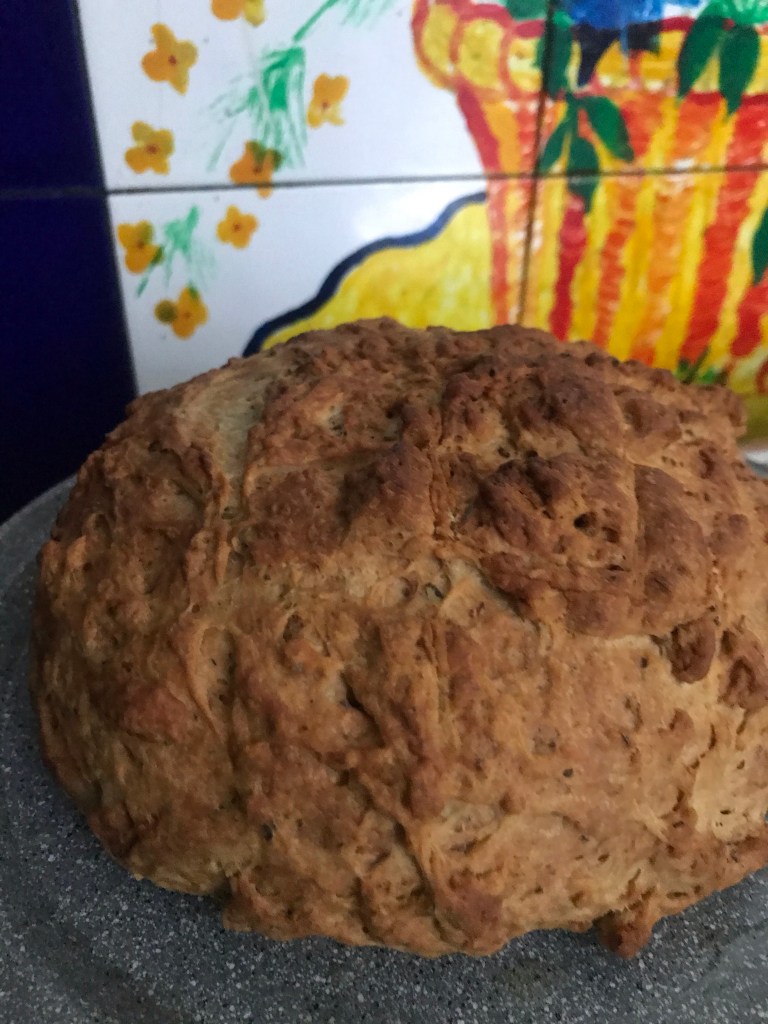
This rustic country loaf is healthy, tasty and easy to make. The mix of bread flour and whole wheat flour makes this a bread for all occasions. It goes well with soups and also makes great sandwiches.
Ingredients
Bread flour 3 cups
Whole wheat flour 1 1/3 cup
Olive oil 1/3 cup plus for greasing
Italian herbs 2 tbsps
Yeast 3 tsp
Salt 1 tsp
Sugar 2 tbsps
Method
Mix all the ingredients and make a dough in the bread machine or stand mixer.
Roll the dough on to a floured surface and knead for about five minutes.
Shape into a ball and let rest covered in a greased bowl for two hours. I leave it overnight in winter.
Punch down the dough and give it a second rising.
Keep a tray of water in the oven and bake in a 210 degree C convection oven for 40 minutes. Spritz with water a few times during the first 15 minutes.
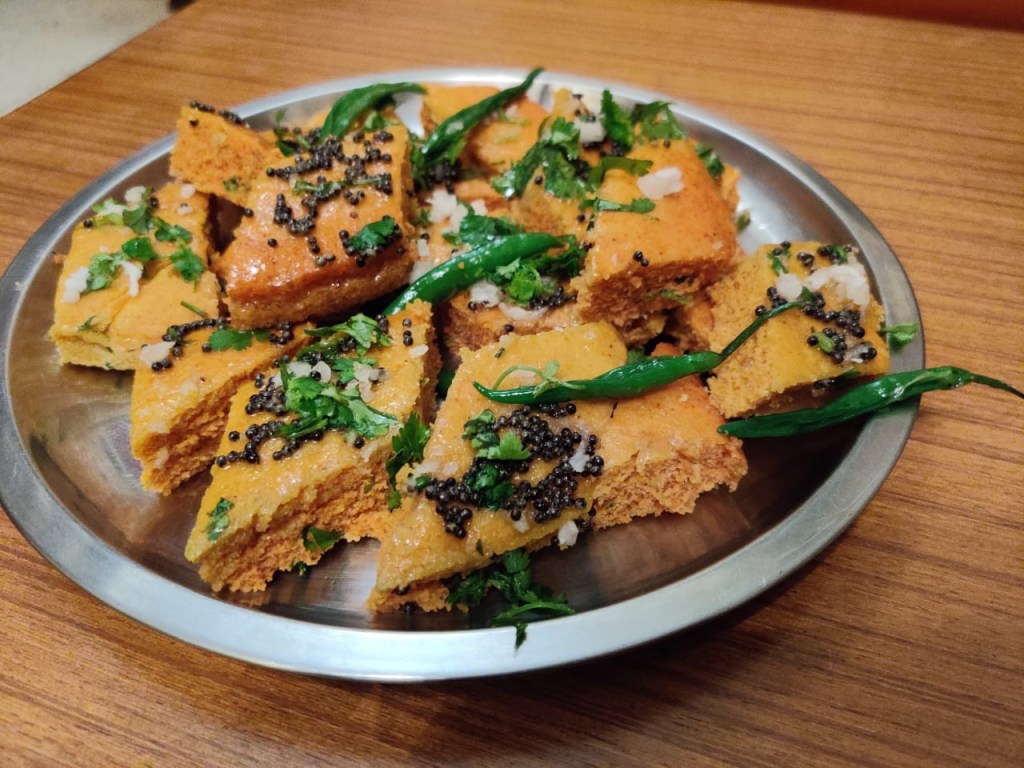
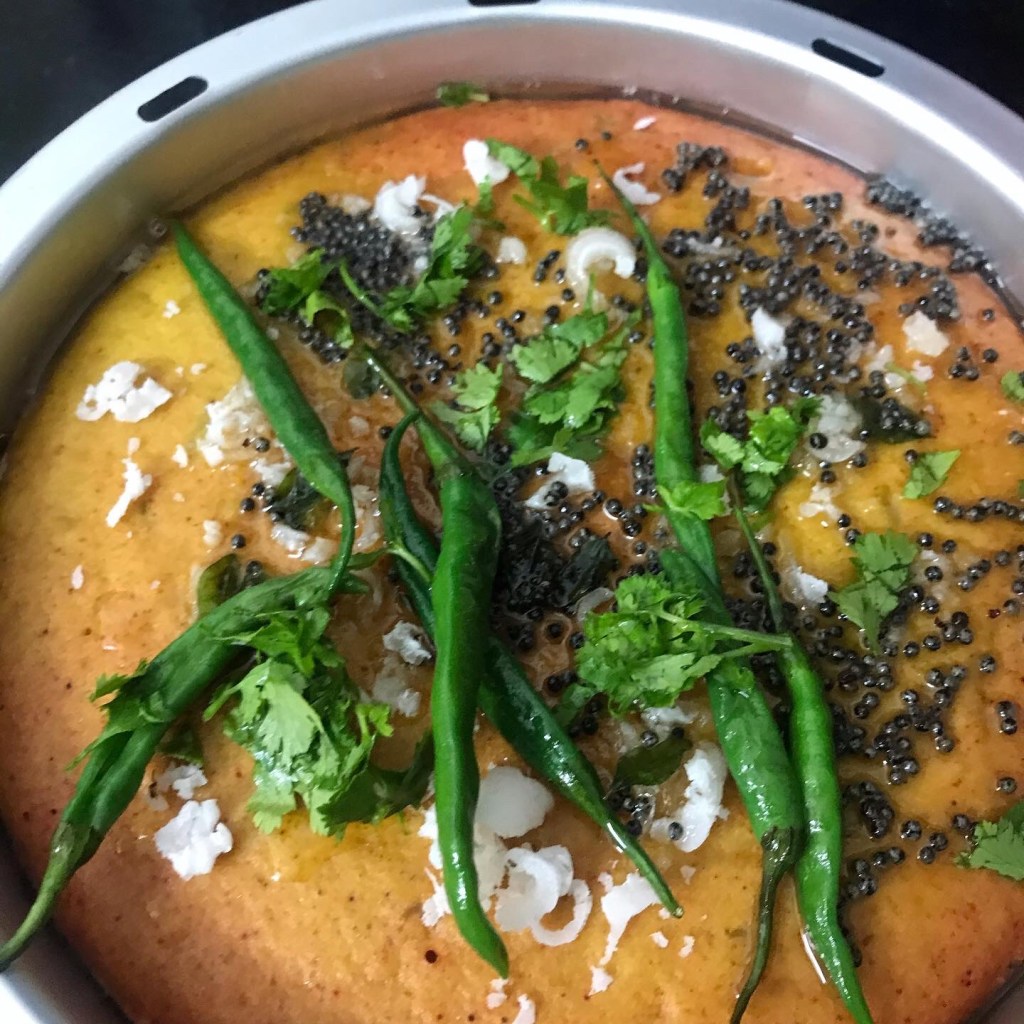
This is actually known as just khaman in Gujarat, but as a pan-Indian dish it is known as dhokla. Filled with protein, this is a light snack that is good any time of the day.
Ingredients
(Serves 5)
Chickpea flour or besan 1 cup (136 g)
Semolina or suji 1 tbsp
Turmeric 1/2 tsp
Water 3/4 cup
Sugar 1 tsp
Oil 1 tbsp
Lemon juice 1 tbsp
Salt 1/2 tsp
Baking soda 1 tsp
Ginger 1” piece
Green chillies 3
Grated coconut 1 tbsp
For tempering:
Mustard seeds 1 tsp
Oil 1 tbsp
Sugar 1 tsp
Curry leaves few sprigs
Coriander leaves for garnish
Asafoetida 1/2 tsp
Salt 1/2 tsp
Green chillies 5
Method
Mix the chickpea flour, suji, baking soda and turmeric together in a bowl.
In another bowl mix the water, oil, sugar, salt and lemon juice. Stir well till the sugar dissolves.
Add to the dry ingredients and whisk well to form a batter.
Pour into a greased tray and steam for 20 minutes.
Heat oil in a frying pan and add the mustard seeds. When they stop sputtering, add the curry leaves and asafoetida. Add the asafoetida and salt and add three tablespoons of water. Stir till the sugar dissolves. Add the green chillies and cool for two minutes.
Pour over the cooked dhokla. Garnish with scraped coconut and coriander leaves.
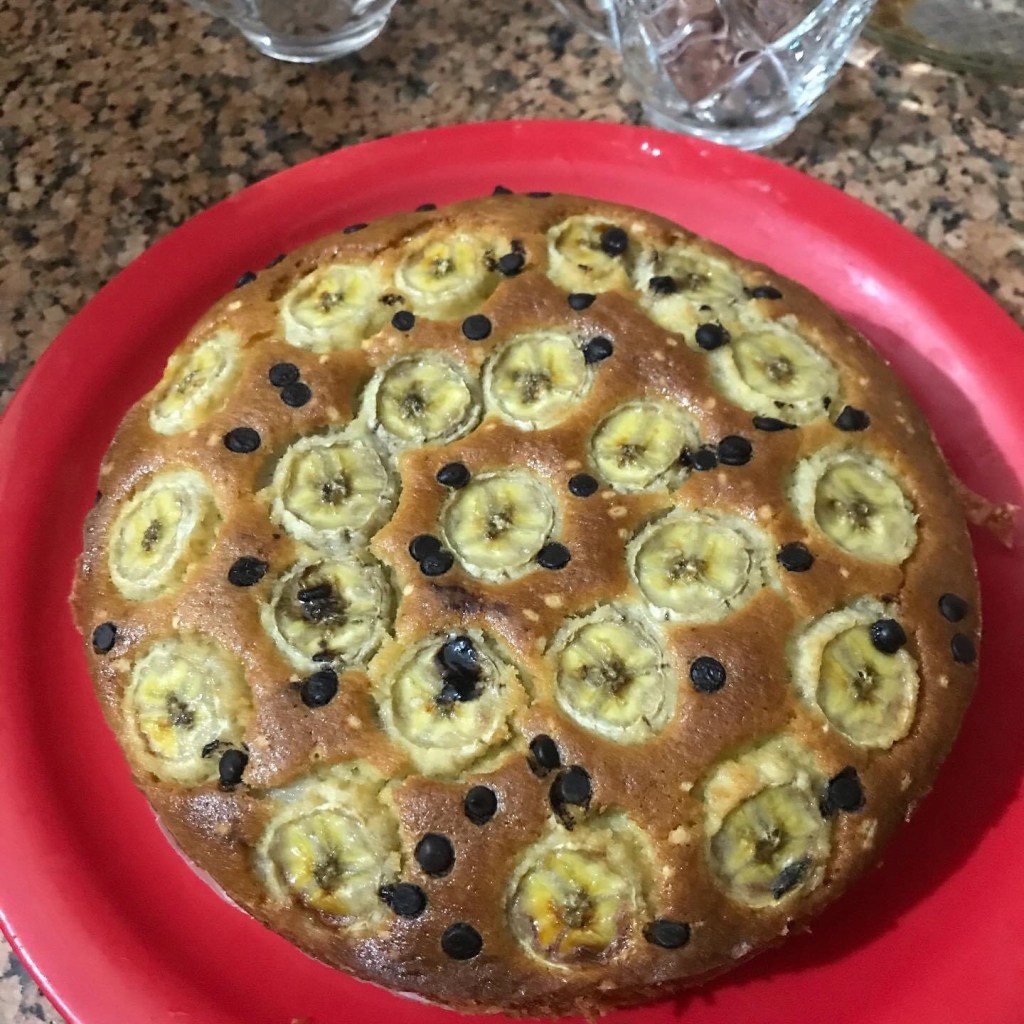
I was trying to come up with a way to use rice flour and remembered some lovely dishes I had in Japan. Thinking of some the sweets made from rice flour, I decided to make a banana cake. The chocolate chips added a delicious but subtle taste.
Ingredients
Bananas 3
Eggs 2
Sugar 3/4 cup (150 g)
Vegetable oil 4 tbsps
Milk 6 tbsps
Rice flour 1 cup (200 g)
Baking powder 2 tsps
Chocolate chips 1 tbsp
Method
Mash two of the bananas well in a wide bowl.
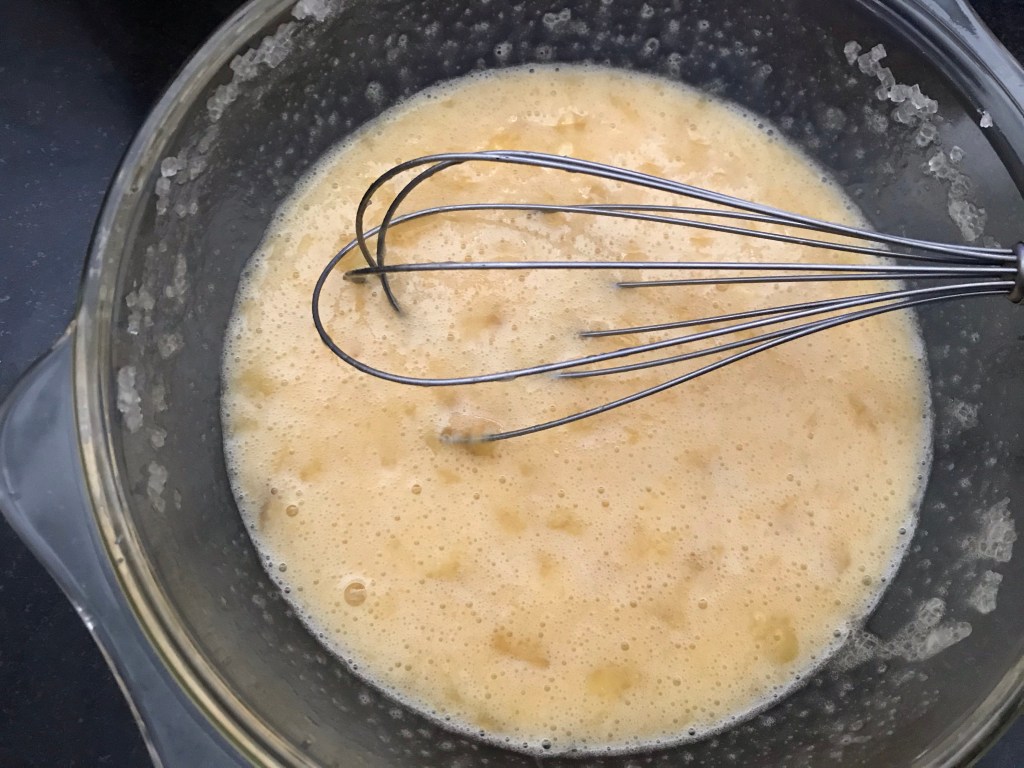
Add the eggs and mix well. I use an electrical whisk, my trusted hand-held blender Braun.
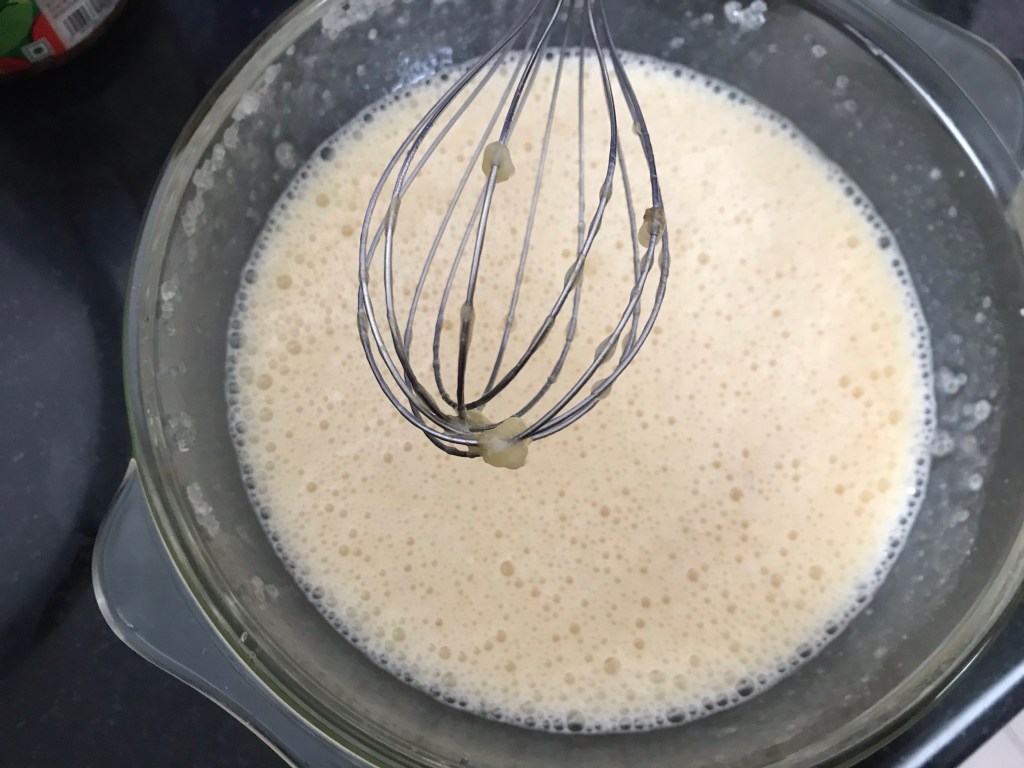
Add the sugar, oil and milk and whisk for two minutes.
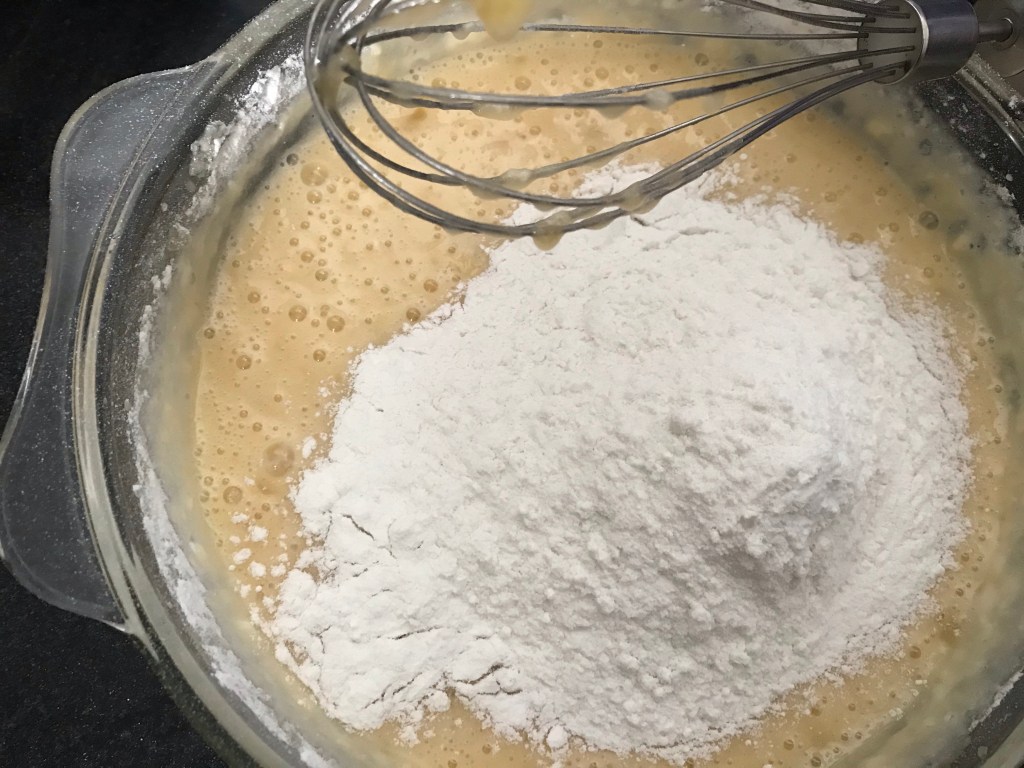
Add the rice flour and baking powder and mix with a wooden or rubber spatula. Then whisk at high speed for a few minutes. In the case of rice flour there is no gluten and so you can whisk well to get in as much air as you can.
Line a round baking tray with greased butter paper and pour in the batter. Slice the remaining banana and arrange on top of the batter. Sprinkle the chocolate chips on top.
Preheat the oven at 180 degrees C and bake the cake at 170 degrees C for 45 minutes. Check after 35 minutes and stop when a toothpick poked into the centre of the cake comes out clean.
I have been trying to get the taste of this soup from my favourite restaurant in Singapore. After a lot of experimentation, I have come up with a version I love.
Ingredients
Tomatoes 4 large
Potato 1 large
Spring onions 5
Fresh basil leaves 10 sprigs
Paprika powder 1 tbsp
Salt to taste
Pepper powder to taste
Butter as needed
Method
Steam the potato, tomatoes and spring onions in a pressure cooker.
Skin the tomatoes.
Add the steamed vegetables to a blender and blend well.
Heat in a heavy bottomed pan. Add the basil leaves, paprika powder and salt. Adjust the water content and boil for five minutes.
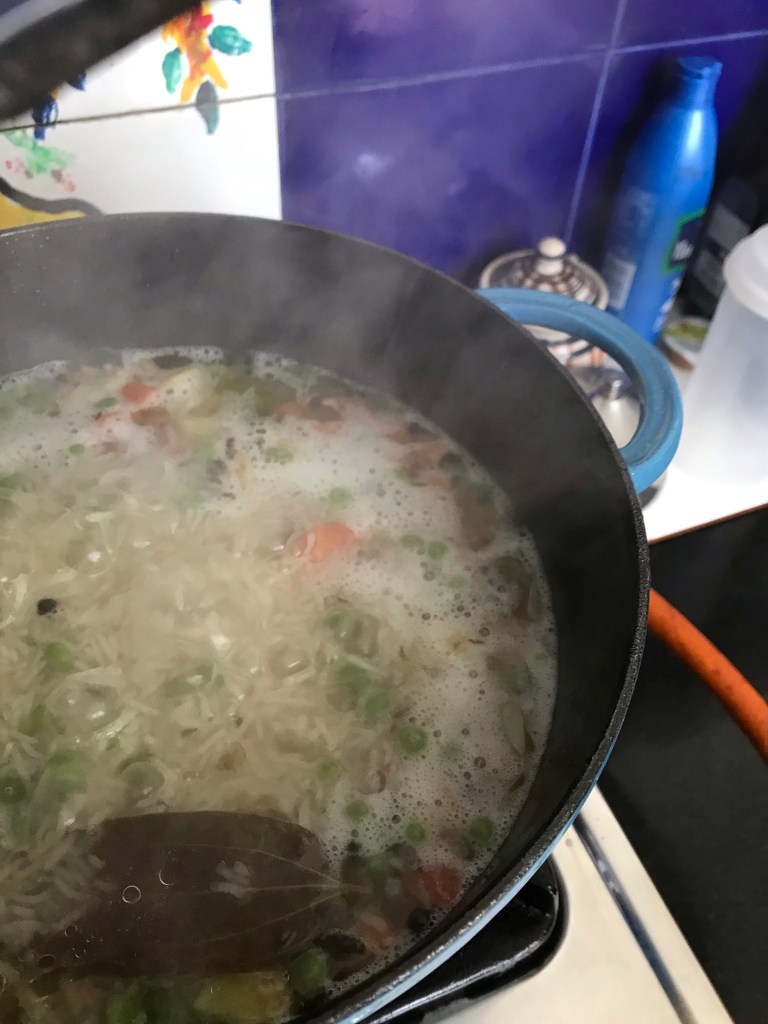
I could never understand how much time my aunt would spend on making Vegetable Pulao, ensuring each piece was of the same size, blanching and frying each kind of vegetable separately and then bringing it all together to make the final dish. Till the Covid-19 pandemic locked us in our homes. I found myself enjoying the care in cooking and the precision of each step in the making of a dish. I learnt to enjoy the magic of botany and chemistry in the process of cooking.
Ingredients
Basmati rice 2 cups
Cauliflower 1 cup of florets, each 1” thick
Carrots 1 cup of 1” cubes
Frozen peas 1 cup
Potatoes 2 medium, cut into 1” cubes
Onion 1 medium, sliced
Cumin seeds 1 tsp
Cinnamon 1” piece
Ginger 2” piece, crushed
Bay leaf 1
Peppercorns 1 tbsp
Cloves 4
Oil 5 tbsps
Method
Soak the rice for 20 minutes and drain.
Boil a pan of water with 2 tablespoons of salt and blanch the vegetables separately. Don’t blanch the peas.
Heat the oil in a iron pot — I use Le Creuset — and fry the onion slices till they are brown and keep aside.
Fry the blanched vegetables separately and keep aside. Don’t fry the peas.
Add the cumin seeds. When they stop sputtering, add the bay leaf, cinnamon stick, cloves and peppercorns.
Add the crushed ginger and sauté for a few minutes.
Add the peas and the drained rice. Add the fried vegetables and salt to taste.
Mix well and add enough water to cover the rice and 1” above.
Bring to a boil, reduce the flame, cover and cook till the rice is cooked and the water is completely absorbed.
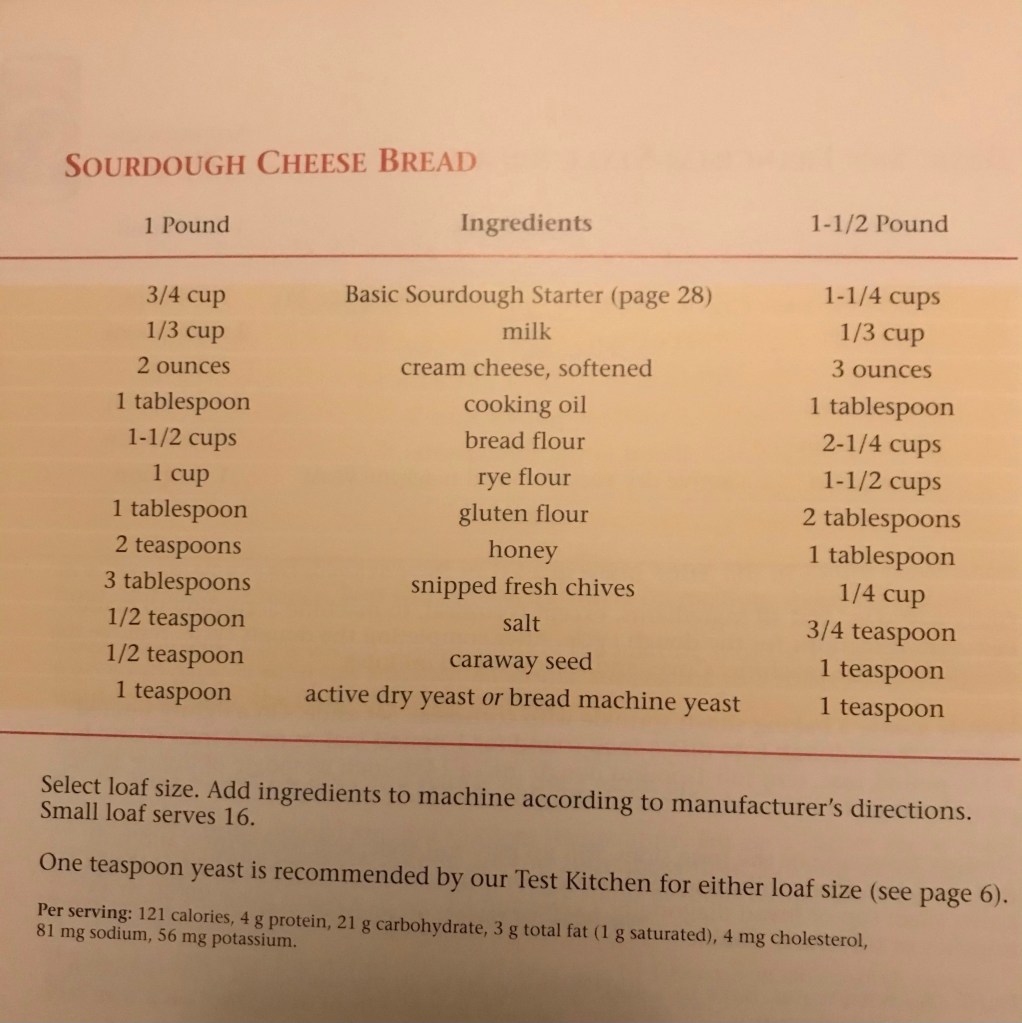
Gayle Shockey Hockster; Better Homes and Gardens; Des Moines, 1994
I picked up this book when I was a novice with the bread maker and it soon became my go-to volume. I loved the recipes, which are easy to follow, and the tips given by the side or at the bottom are invaluable, especially if you are just starting to bake your own bread.
Baking bread has been something that we seem to have adopted en masse as we cope with the pandemic. Stores have been running out of bread flour and yeast, but people are continuing to bake. I agree that there is something magical about bread, watching the loaf rise and then bake to golden perfection.
Maybe it is an attempt by man to gain some control in a world that is spiralling out of control. That warm loaf of bread not only smells wholesome and delicious, it is life giving. Bread was what Christ broke with his disciples. Bread is essential to every culture in the world, to human being’s very survival.
One of the most popular breads that people around the world have been making during the current Covid-19 pandemic is sourdough bread. One reason could be that once you make the sourdough starter, the recipe for which is given in the book, you can continue to replenish it without adding more yeast. So even if yeast disappears from the store shelves, you can continue to bake your bread.
This book has a whole section devoted to sourdough breads.
I have tried many of these breads and each one has turned out perfect.
My favourite is the sourdough cheese bread, which is a fail-safe recipe. I make it pretty often as it goes so well with soups and stews and also makes a great sandwich.
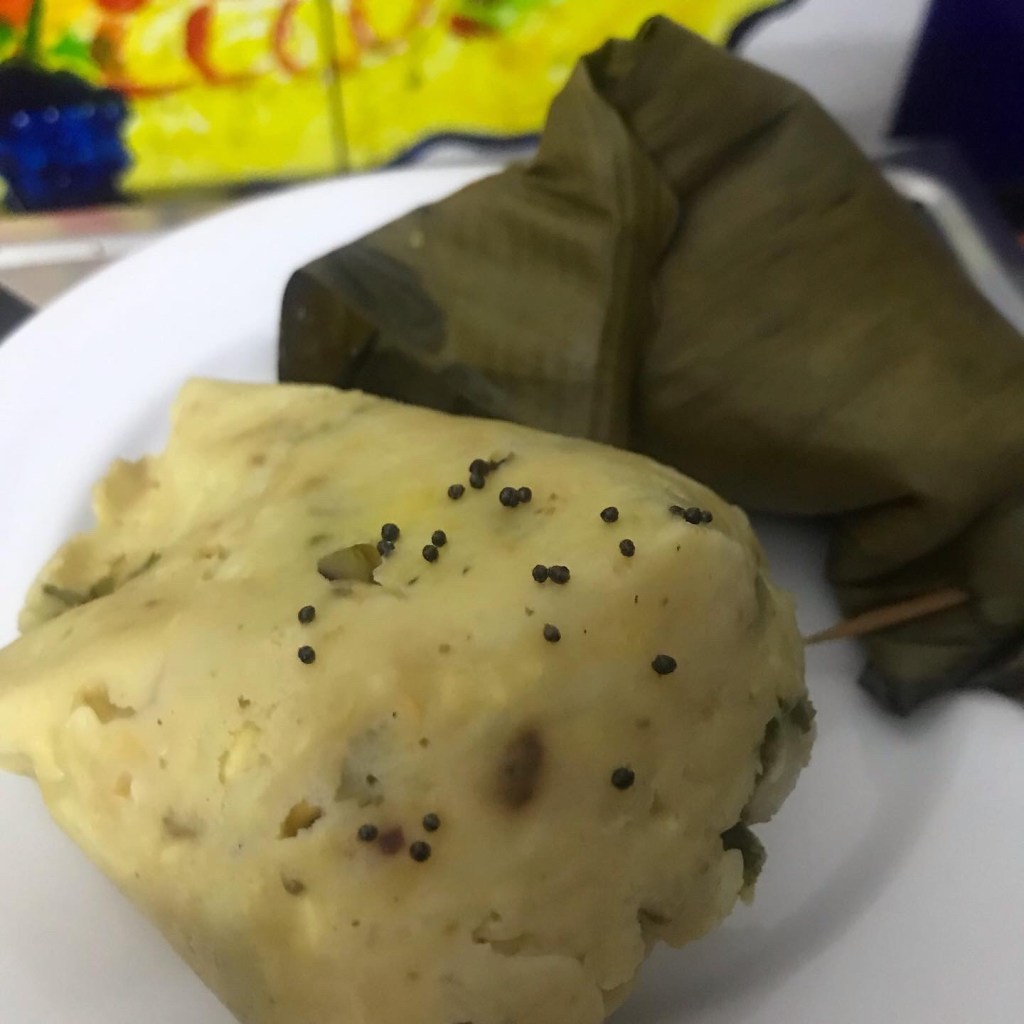
This is a delicious and healthy steamed dish that works as a snack, breakfast dish or even for supper. It has a mix of lentils or dals and minimal amount of oil. Wrapped in banana leaves, the steaming brings out a unique flavour.
Ingredients
(Serves 4)
Parboiled rice 125 g
Moong dal 50 g
Masoor dal 50 g
Tuvar dal 50 g
Urad dal 50 g
Chana dal 50 g
Salt to taste
Red chilli flakes 1 tbsp
Any Indian pickle masala 2 tbsps
Jaggery 1 tbsp grated
Coriander leaves, chopped
Mustard seeds 1 tbsp
Oil 4 tbsps + 1 tbsp
Yoghurt 2 tbsps
Eno fruit salt 1 tbsp
Water as needed
Asafoetida 1/2 tsp
Banana leaves cut into squares and rolled to form cone-shaped pockets.
Method
Wash the dals and rice and soak for 30 minutes. Drain and grind to a paste along with the yoghurt and 2 tablespoons of oil. Add enough water to make a batter. Add salt and leave to ferment for 7 hours.
Add chopped coriander leaves, the pickle masala, jaggery and chilli flakes to the fermented batter. Add the Eno fruit salt and leave for a few minutes.
Heat water in a steamer.
Spoon batter into the banana leaf cones and steam for 30 minutes.
Heat 1 tablespoon of oil and add the mustard seeds and asafoetida.
Unwrap the steamed cakes and pour the oil with mustard seeds over them.
Almost three decades ago, I saw this being made on a TV cooking show. I made it, but it was too bland. Over the years, I have adjusted it to suit my family’s palate and now it is a mix of flavours from the red wine, garlic and olive oil. Accompanied by dinner rolls or bread, this makes a great supper.
Ingredients
(Serves 4)
Lentils or whole masoor dal 1 cup (200 g)
Green chillies 2, chopped
Onions 3 small or 2 medium, chopped
Garlic 5 cloves, two chopped
Coriander leaves, chopped, for garnish
Sausages 5
Butter 1 tbsp
Olive oil 2 tbsps
Peperoncino flakes 1 tbsp
Salt to taste
Vegetable oil 1 tbsp
Red wine 1 cup
Lemon wedges, optional
Method
Add the butter and olive oil to a sauce pan and sauté the onions, green chillies and garlic.
Wash and drain the lentils and add to the sautéed vegetables. Add salt and peperoncino flakes. If you don’t have peperoncino, use any kind of chilli flakes.
Add about 2 cups of water and bring to a boil. Reduce the heat and cook covered till the water is absorbed.
Meanwhile fry the sausages in a tablespoon of vegetable oil on medium heat. Remove the sausages to a dish and add the three whole pods of garlic to the same pan.
When the garlic pods are brown, take them out and add them to the lentils along with a cup of red wine. You can use any red wine that is available in your cupboard. I used a Zinfandel from Sula. Increase the heat to high.
When the wine is completely absorbed, transfer the lentils to a serving dish. Arrange the sausages on top and garnish with coriander leaves. Add a twist of lemon, though this is optional.
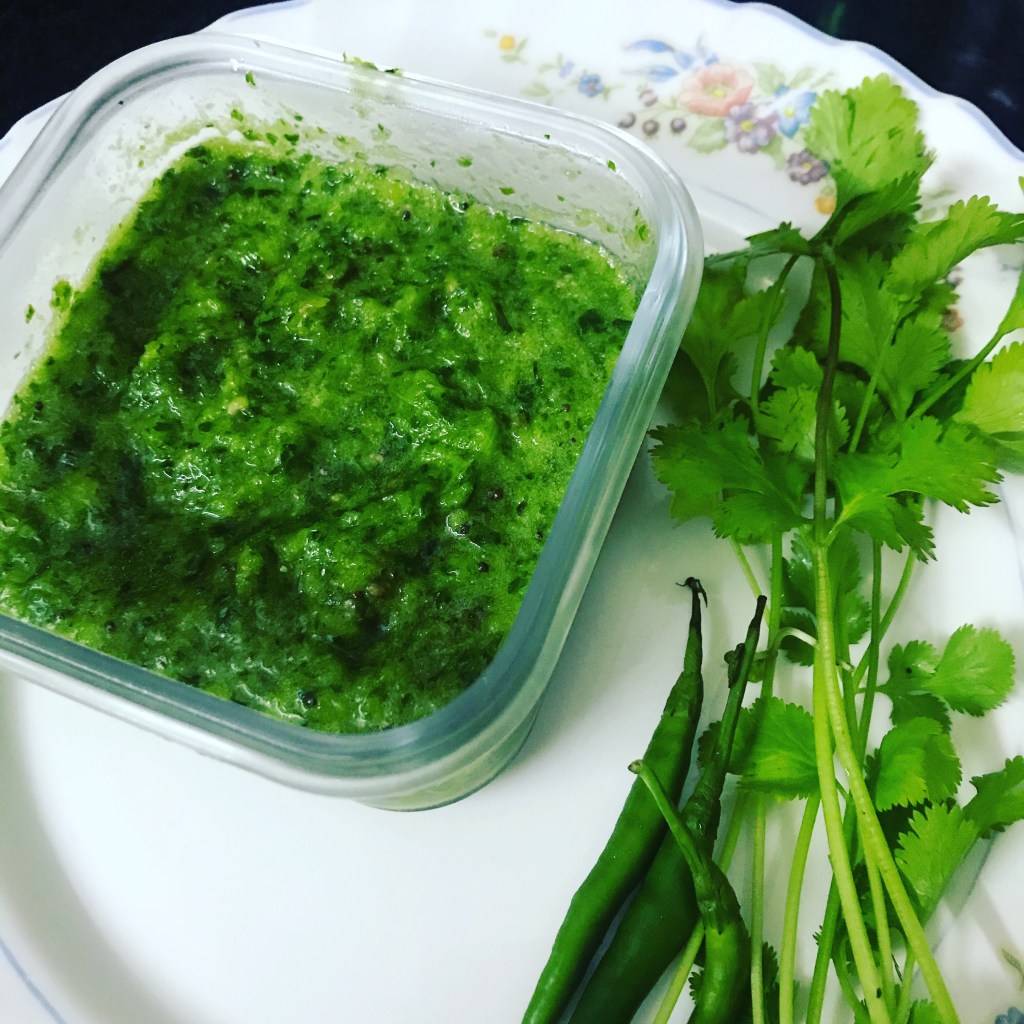
Garlic cloves are said to be good for your health, but fresh green garlic is even better. It is available only for a limited season in winter. Fresh green garlic is easier to consume than garlic cloves as the smell is less pungent. It can be had in salads or made into a chutney. This chutney goes well with paranthas or chilla.
Ingredients
Fresh green garlic 10 stalks Green chillies 5 Coriander leaves 1 cup Mustard seeds 1/2 tsp Oil 1 tbsp Asafoetida 1/2 tsp
Method
Clean and chop the green garlic stalks. They look like spring onions, but are thinner.
Blend them with the green chillies and coriander leaves. Try to use as little water as you can.
Add salt.
Heat the oil in a small frying pan and add the mustard seeds and asafoetida. When the mustard seeds stop sputtering, add it to the chutney.
This chutney will stay fresh in the refrigerator for up to two weeks.











 Chills & Chillies